
Edison LED Lighting

Shop

Projects

7 Sound Activated Light Buying Tips for Global Buyers

Buying a Sound Activated Light for international use involves more than comparing brightness and price. Global buyers must examine sensitivity, response speed, microphone placement, power requirements, and operating conditions. A product that reacts smoothly in a quiet bedroom may behave poorly inside a noisy shop or workshop. Small details matter.

Lighting researcher Dr. Mariana Figueiro offers a useful guiding principle: “Good lighting should support human activity, comfort, and safety.” This idea applies directly to sound-responsive lighting. A reliable Sound Activated Light should react to meaningful sounds without flashing constantly from footsteps, fans, or nearby traffic. Buyers should request demonstration videos, technical sheets, and test samples before placing large orders. Certifications, warranty terms, packaging strength, and after-sales support also deserve careful attention.

The seven buying tips in this guide focus on practical decisions for distributors, retailers, hospitality businesses, and project buyers. They cover sound sensitivity, LED performance, installation flexibility, control options, durability, supplier verification, and total ownership cost. Yet no checklist is perfect. Room acoustics vary. User expectations vary even more. A sample test can expose weaknesses that attractive product photos hide. Buyers should record the testing environment, distance, sound source, and response pattern. That evidence supports a more reliable decision.

Look beyond dramatic light effects. Stable performance usually wins. A cheaper unit may require more replacements, returns, or customer support. The best choice balances responsiveness, visual comfort, safety, and dependable supply.
7 Sound Activated Light Buying Tips for Global Buyers

What Sound-Activated Lights Are and How They Work

What Sound-Activated Lights Are and How They Work

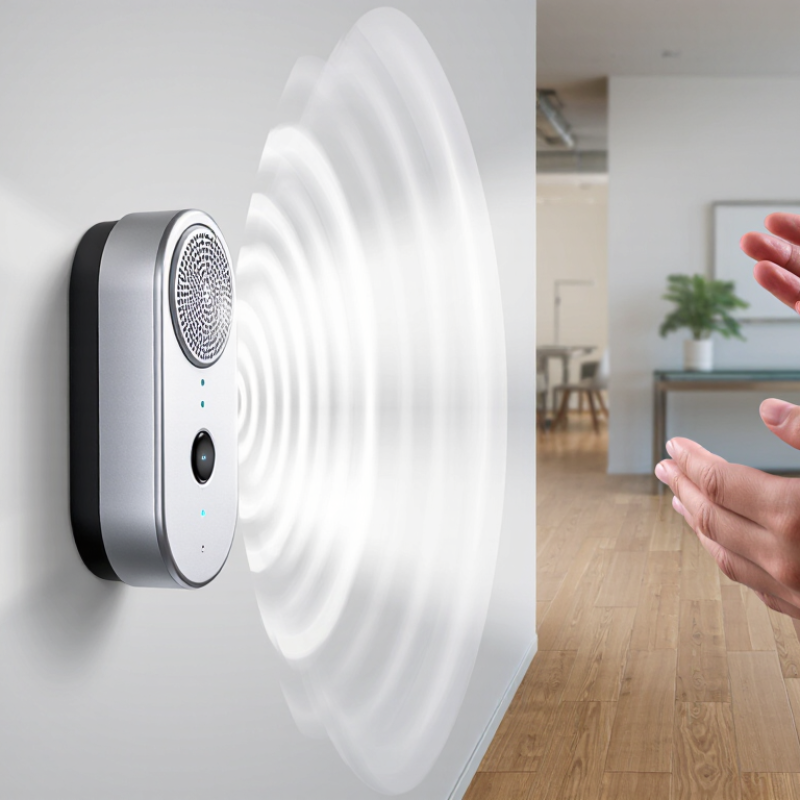
Sound-activated lights use a microphone, control circuit, and LED driver to respond to nearby audio. A clap, spoken command, or sharp noise creates a sound signal. The controller compares that signal with a preset sensitivity threshold. If the sound is strong enough, it switches the light on, dims it, or starts a timer.

A practical system should separate useful sounds from background noise. For example, a microphone near a busy road may react to horns, footsteps, or ventilation equipment. Better designs use frequency filtering, adjustable sensitivity, and a short delay before activation. Buyers should test these settings in the real installation space. A quiet showroom can hide problems that appear in a warehouse.

The International Energy Agency reports that lighting represents about 15% of global electricity consumption. The U.S. Department of Energy has estimated that occupancy-based lighting controls can reduce commercial lighting energy use by roughly 20% in suitable applications. Sound detection is not identical to occupancy detection, so this figure is only a reference, not a guarantee. Actual savings depend on room traffic, timer length, LED wattage, and user habits.

Check microphone range, trigger accuracy, standby power, ingress protection, and compatibility with the lighting driver. In bedrooms, acoustic privacy may also matter. Some systems respond too easily. That weakness is easy to overlook. A reliable purchase includes field testing, clear technical data, and a manual override for moments when sound control is inconvenient.

Key Features to Compare Before Buying

7 Sound Activated Light Buying Tips for Global Buyers

Key Features to Compare Before Buying

A sound activated light should respond clearly, not merely flash at random. Compare microphone sensitivity, pickup range, and response delay before ordering. A short delay feels better during music playback. Adjustable sensitivity matters in bedrooms, studios, and busy event spaces. Very sensitive models may react to footsteps, fans, or nearby traffic. That can become annoying.

Check the light source, color options, brightness range, and control method. Some units offer fixed colors, while others provide smooth transitions or rhythm-based effects. Confirm whether the light supports manual control when the room becomes quiet. Remote controls are convenient, but app-based systems need stable wireless connections. I would not assume every advertised mode works equally well. Ask for demonstration videos or test data when specifications seem vague.

Global buyers should inspect input voltage, plug type, power consumption, and included adapters. A universal voltage range can simplify international purchasing, but local electrical requirements still need verification. Look for clear safety documentation and durable housing, especially for portable use. Heat management is easy to overlook. A bright lamp with poor ventilation may lose performance over time. Also compare warranty terms, replacement parts, and technical support in your market. Packaging quality deserves attention too; damaged microphones or cracked light covers can arrive after long-distance shipping.

How to Choose the Right Light for Different Applications

Choosing the Right Sound-Activated Light for Different Applications

A sound-activated light should match the space, not merely react to noise. In a quiet bedroom, gentle sensitivity prevents activation from small sounds. In a workshop, stronger detection helps the light respond despite machinery. Check the detection range, trigger delay, brightness, and color temperature before ordering. Warm light suits bedrooms and lounges. Neutral or cool light improves visibility in storage rooms and work areas.

Tip 1: Test the sound environment at different times. A hallway may be quiet at night but noisy during the day. Tip 2: Select adjustable sensitivity when the application changes frequently. I once treated sensitivity as a minor detail, and the light activated too often near a busy doorway. That mistake showed me how important real-site testing can be.

For bathrooms, garages, and covered outdoor areas, review the enclosure rating and installation conditions carefully. Moisture, dust, and temperature changes can shorten service life. For stairs, choose fast activation and enough brightness to show each step clearly. For children’s rooms, avoid harsh glare and excessive delay. Confirm wiring, voltage, mounting space, and applicable safety requirements in the destination market. A reliable supplier should provide clear specifications, test information, and practical installation guidance. No single setting fits every application.

7 Sound Activated Light Buying Tips for Global Buyers - How to Choose the Right Light for Different Applications

No. Buying Dimension Recommended Specification Best-Fit Applications What Global Buyers Should Check Practical Benefit
1 Sound Sensitivity and Trigger Control Adjustable microphone sensitivity with selectable sound-reactive modes; a useful starting range is approximately 60–100 dB, depending on the environment. Music venues, home entertainment rooms, exhibitions, parties, and interactive displays. Confirm whether sensitivity is adjustable, whether the microphone can be disabled, and whether ambient noise may cause false triggering. Improves synchronization with music while reducing unwanted activation from nearby conversations or machinery.
2 Brightness and Light Output Select output according to viewing distance and room size. Small decorative units may use a few hundred lumens, while task or area lighting may require 800 lumens or more. Bedrooms, lounges, retail displays, event spaces, studios, and small outdoor gatherings. Review measured lumens, beam angle, dimming capability, glare control, and whether brightness remains stable during sound effects. Prevents a light from being too weak for the space or uncomfortably bright for close-range viewing.
3 Color, Effects, and Control Modes RGB or RGBW color mixing, static colors, sound-reactive effects, automatic programs, and manual control. RGBW is preferable when a dedicated white light is required. Stage decoration, hospitality interiors, gaming rooms, photography backgrounds, and promotional installations. Check color consistency, transition speed, memory after power loss, remote or app compatibility, and whether the light supports independent color and sound settings. Provides flexibility for entertainment, atmosphere creation, and commercial visual merchandising.
4 Power Supply and Operating Time Choose mains power for fixed installations; choose USB or rechargeable battery power for portable use. For battery models, compare rated capacity, charging time, and actual operating time at maximum brightness. Portable events, camping, mobile displays, restaurants, bedrooms, and permanent indoor installations. Verify input voltage and frequency, plug type, charging standard, battery replacement policy, standby consumption, and overcharge protection. Reduces compatibility problems and helps buyers plan operation without unexpected downtime.
5 Installation and Portability Select tabletop, wall-mount, ceiling-mount, clamp, or stand-compatible designs according to the installation plan. Lightweight housings are more suitable for temporary setups. Retail counters, wall displays, event booths, stages, bedrooms, and rental equipment inventories. Check mounting points, accessory availability, cable length, enclosure weight, ventilation clearance, and resistance to vibration during transport. Makes installation faster, safer, and easier to adapt to different locations.
6 Durability and Environmental Protection Use indoor-rated products for dry areas. For outdoor or humid locations, select an appropriate IP rating; IP44 offers limited splash protection, while higher ratings provide stronger dust and water protection. Indoor decoration, covered patios, outdoor events, workshops, and commercial installations. Confirm the complete product IP rating, operating temperature, UV resistance, impact resistance, ventilation design, and protection of connectors and controls. Helps match the product to real environmental conditions and extends service life.
7 Safety, Compliance, and After-Sales Support Prioritize documented electrical safety, EMC performance, photobiological safety, and applicable market requirements. Clear manuals, spare parts, and warranty terms are essential for international purchasing. Import distribution, public venues, schools, hospitality projects, retail chains, and long-term commercial use. Request test reports or declarations where applicable, verify regional plug and voltage requirements, review warranty coverage, and confirm replacement-part availability. Lowers regulatory, installation, maintenance, and total-cost-of-ownership risks.
Selection note: Product performance varies by design and operating conditions. Confirm the manufacturer’s datasheet, test method, regional electrical requirements, and actual sample performance before placing a bulk order.

Global Safety, Certification, and Voltage Requirements

7 Sound Activated Light Buying Tips for Global Buyers

Global buyers should confirm the product’s rated voltage before discussing price. A 110V model may fail on a 230V supply. Choose a unit that matches the destination market, or select a certified 100–240V design. Check frequency too. Some regions use 50Hz, while others use 60Hz. The label should show voltage, frequency, wattage, and input type clearly.

Safety certification must fit the country of sale. Requirements can cover electrical insulation, fire resistance, electromagnetic compatibility, and plug design. Request current test reports, declarations of conformity, and traceable certificate numbers. A printed mark alone proves little. Verify whether the report covers the exact model, not a similar-looking product. For indoor use, check enclosure protection and heat management around the lamp housing.

Sound activation adds another practical concern. The microphone should respond reliably without creating sudden, unsafe switching near stairs or work areas. Ask for testing records in quiet rooms and noisy environments. Packaging should protect the sensor, cable, and plug during long-distance shipping. Small details matter.

A perfect checklist is unrealistic. I have seen buyers overlook regional plug standards after confirming voltage. That mistake can delay installation. Also review replacement parts, user instructions, and warranty procedures in the target language. Certification paperwork may look complete, yet an outdated report can still create customs or retail problems. Verify every document before placing a large order.

7 Sound Activated Light Buying Tips for Global Buyers

Global Safety, Certification, and Voltage Requirements

The chart shows representative nominal single-phase mains voltages commonly used in major markets. Confirm the destination country's exact voltage and frequency before selecting a sound-activated light. For safety, verify applicable electrical and lighting requirements, including IEC 60598-1 where relevant, and check whether market-specific conformity marks or approvals such as CE, UKCA, UL, or CSA are required for the product category and sales channel.

Supplier, Cost, Shipping, and After-Sales Considerations

When global buyers source sound-activated lights, supplier quality deserves more attention than a polished catalog. Request a working sample, wiring diagram, test report, and production photos before negotiating volume. Check microphone sensitivity, response delay, heat control, and housing strength in a real room. A reliable supplier explains tolerances honestly, not only promising perfect performance. Ask who owns quality checks. Ask how failed batches are handled.

Cost is more than unit price. Compare the light, controller, packaging, tooling, inspection, payment, and destination charges in one spreadsheet. Confirm whether the quote includes export packing and replacement parts. Small omissions can erase a seemingly attractive margin. I once underestimated protective packaging for fragile lamps; the shipping saving was not worth the damaged cartons. That mistake still matters.

Shipping plans should match the product and sales schedule. Confirm carton dimensions, gross weight, lead time, tracking, and insurance responsibilities in writing. Sea freight may reduce cost, while air freight can protect a seasonal launch. Do not accept vague delivery promises. Before payment, agree on warranty length, response time, troubleshooting support, spare-part availability, and replacement procedures. Test communication with a sample problem. Slow replies before shipment rarely improve after shipment. Buyers should review destination safety and labeling requirements with qualified local professionals. Requirements change, and assumptions can be expensive.