How to Choose the Best Solar Panels Supplier for Your Needs?
Choosing the right solar panels supplier is essential for maximizing your investment in renewable energy. According to a report by the Solar Energy Industries Association (SEIA), the U.S. solar market has grown over 167% since 2016. This rapid growth means many suppliers offer various options, making the selection process challenging. Many factors influence this decision, from panel efficiency to warranty policies.
A reliable solar panels supplier should provide high-quality products and extensive warranties. Industry data from the National Renewable Energy Laboratory (NREL) shows that high-efficiency panels can yield significant savings over time. Some suppliers might focus on lower costs, but these savings can lead to compromised quality. It's crucial to analyze customer reviews and ratings to avoid potential pitfalls. A supplier with a good reputation could save you from costly repairs down the road.
In a crowded market, it's essential to be discerning. Not all suppliers meet the same standards. Challenges like fluctuating pricing and changing technology can create uncertainty. Sometimes, even the best options may not fit your specific needs. Carefully evaluating your requirements is vital in finding the best match for your goals.
Understanding Your Solar Energy Needs and Goals
When considering solar energy, understanding your specific needs is essential. Are you aiming for energy independence or reducing your carbon footprint? Knowing your goals helps tailor the best solar solution for your home. Analyze your current energy consumption. Look at past electricity bills for insights on usage patterns.
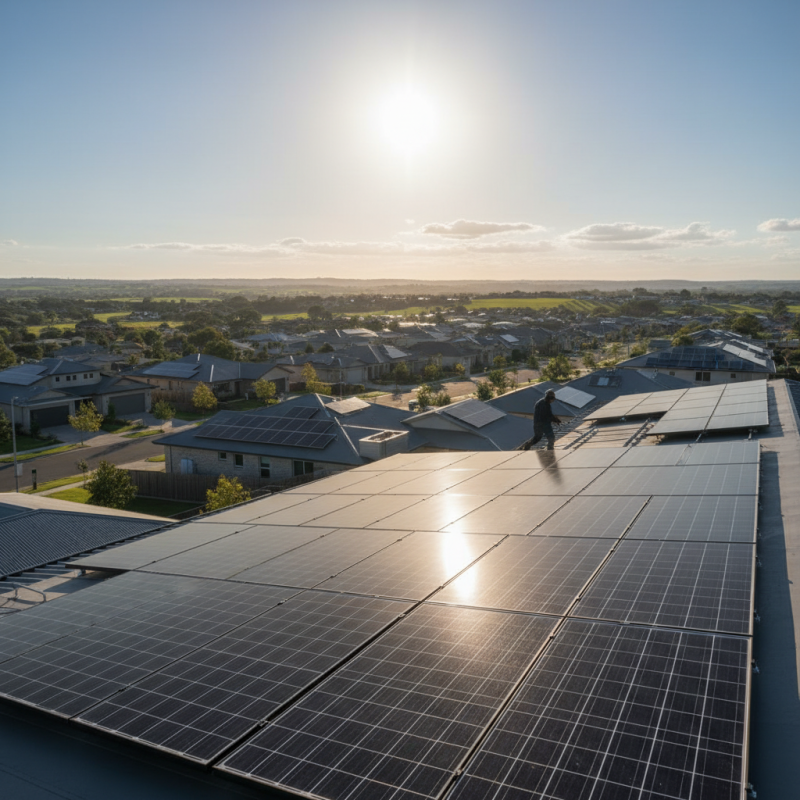
Next, think about the space available for solar panels. Roof orientation, shade from trees, and local climate all play a role. Even a small roof can generate energy if positioned correctly. You might face limitations in space or budget, which requires careful planning. Don't shy away from seeking professional advice.
Evaluate your long-term goals as well. Are you interested in maximizing financial savings or have a focus on environmental impact? Solar installations require an upfront investment, yet they can yield substantial savings over time. Consider potential changes in energy needs too. A growing family or new appliances can influence your energy requirements down the road. Reflecting on these aspects can guide you in choosing a suitable solar panel supplier that aligns with your vision.
Evaluating Supplier Reputation and Experience
When selecting a solar panel supplier, reputation and experience are key factors. A supplier with a strong reputation often reflects years of quality service. According to industry reports, 78% of customers prefer suppliers with at least a decade of experience. This significantly impacts trust and reliability. Newer companies may offer lower prices, but they might lack the depth of service that seasoned suppliers provide.
Tips: Research online reviews and ratings to gauge supplier performance. Look for feedback about installation, maintenance, and customer support.
Supplier experience should not just be about years in business. Consider their portfolio. A supplier's history with projects similar to yours can show their capability. Studies indicate that suppliers involved in diverse projects tend to offer innovative solutions. Don’t overlook case studies; they provide insight into the supplier's problem-solving approach.
Tips: During inquiries, ask for references from past customers. Follow up with them to gain a realistic perspective.
Always remember that a glowing reputation isn't the only indicator of a good supplier. Reflect on how well a supplier communicates and addresses your concerns. Poor communication can lead to misunderstandings and delays, regardless of experience. Take your time in evaluating these aspects before making a decision.
Evaluation of Solar Panel Suppliers: Reputation and Experience
Comparing Solar Panel Quality and Technology Options
When comparing solar panel quality and technology options, it's essential to consider various factors. The materials used in solar panels significantly affect their efficiency and longevity. Monocrystalline panels often yield higher efficiency rates, while polycrystalline panels may be more cost-effective. However, the difference in performance can be subtle. Some consumers might not notice it in everyday use.
Another important aspect is the technology behind the solar panels. Innovations like BIPV, or building-integrated photovoltaics, offer aesthetic advantages. Yet, they may not perform as well as traditional panels in certain conditions. It's crucial to assess your specific energy needs before making a decision. Many people feel overwhelmed by the options, leading to hasty choices that may not suit them long term.
Researching warranties and certifications can provide insight into potential quality issues. A shorter warranty period may indicate lesser confidence in the product's lifespan. The decision process is often tricky and should involve careful consideration of various factors. Reflecting on your needs and long-term goals can guide you in finding the right solar panel solution. Don't rush; take your time to make the best choice.
Assessing Customer Support and Warranty Policies
When selecting a solar panel supplier, assessing customer support and warranty policies is crucial. Research shows that up to 70% of customers prioritize customer service during the purchasing process. A reliable supplier should offer clear communication. Timely responses to inquiries can enhance your confidence in their service. Poor customer support can lead to frustration and delays in installation or service.
Warranty policies are another essential factor. Data indicates that robust warranties can reflect the quality of the products. Many suppliers offer warranties that last between 10 to 25 years. Look for suppliers who clearly outline what their warranties cover. Some may have hidden clauses that can be problematic down the line. Knowing how to navigate these terms can save you from unexpected costs in the future.
Consider reading reviews from existing customers. Feedback can highlight strengths and weaknesses in service. Pay attention to recurring themes in the reviews. Do people appreciate the support they received? Are there complaints regarding responsiveness? These details provide insights into your potential experience with the supplier. The goal is to find a supplier who meets your needs and offers peace of mind.
Analyzing Pricing, Financing Options, and Return on Investment
When selecting a solar panels supplier, financial aspects are crucial. Analyzing pricing is the first step. On average, the cost of solar panels can range from $15,000 to $25,000 for a residential system. This figure often includes installation, hardware, and other costs. However, hidden fees might exist. Always ask for a detailed quote.
Financing options vary greatly among suppliers. Some offer leases or Power Purchase Agreements (PPAs). These arrangements can reduce upfront costs. However, they might impact long-term savings. According to the National Renewable Energy Laboratory, a well-researched ROI from solar investment can yield a return of 10-30% over 20 years. Weigh these outcomes carefully.
Tip: Compare multiple quotes. Look beyond the price tag. Financing terms can significantly influence your total expenditure.
Also, consider potential incentives. Federal and state tax credits can bring the overall cost down. Research local incentives to maximize return.
A common pitfall is focusing solely on immediate savings. A holistic view leads to better decision-making. Analyze the long-term impact of your investment.
